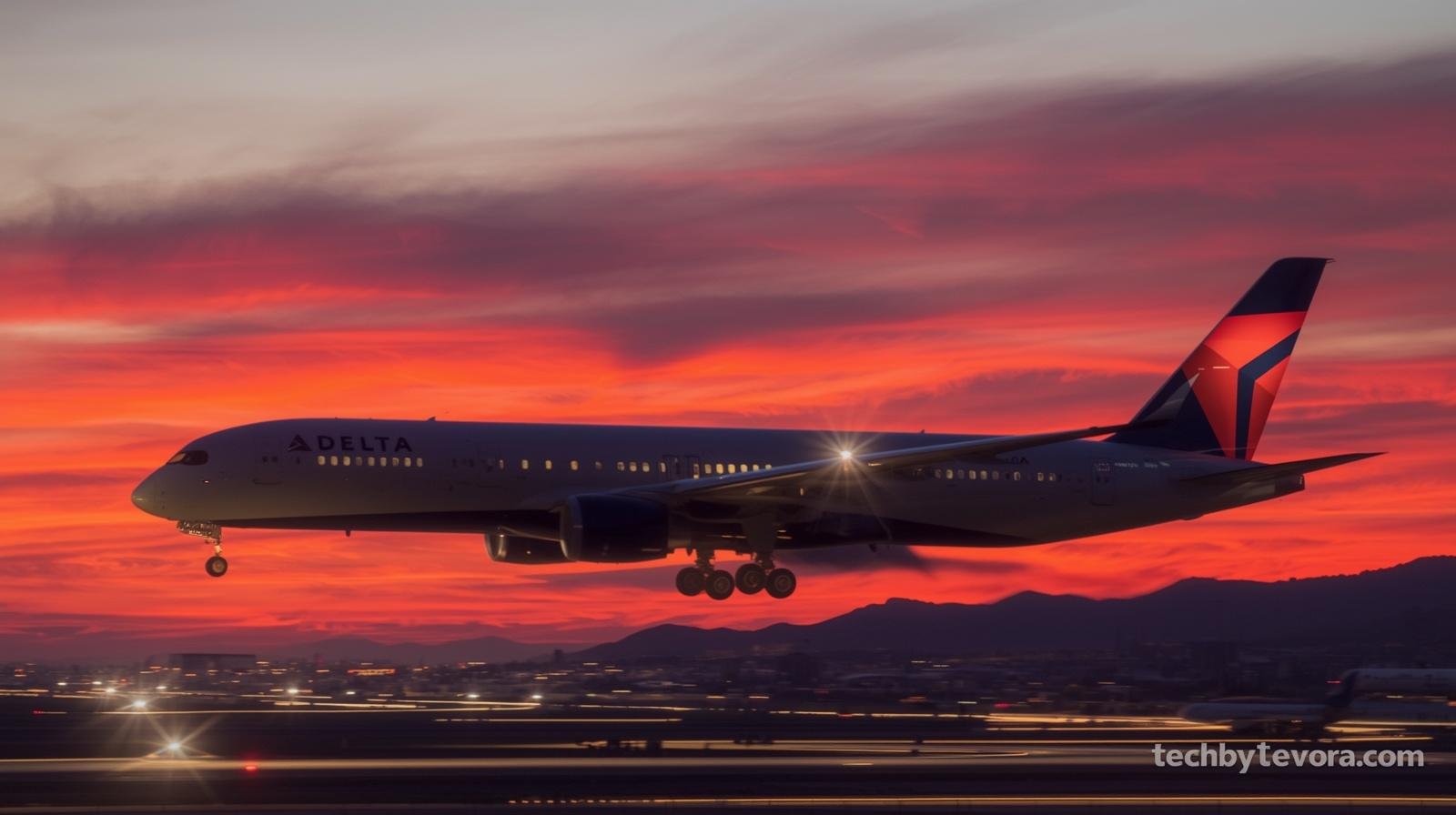
Delta flight DL275 is a prominent transpacific service that operates between Detroit Metropolitan Wayne County Airport (DTW) in the United States and Tokyo Haneda Airport (HND) in Japan. This flight, typically operated on wide-body aircraft such as the Airbus A350, is part of Delta’s international network that connects business travelers, tourists, and connecting passengers across continents. Known for its long duration and high passenger capacity, DL275 is planned meticulously, taking into account fuel, alternate airports, and flight paths to ensure safety and efficiency.
On May 28, 2025, DL275 experienced a diversion that made headlines, turning what was meant to be a routine journey into an unexpected emergency landing. The flight had departed Detroit on schedule, carrying passengers prepared for a 13-hour journey across the Pacific. While the aircraft was cruising at high altitude over North America, an issue was detected that prompted a decision by the flight crew to change course and land at an alternative airport rather than continue to Tokyo. This incident highlights how even well-planned long-haul flights must remain flexible in the face of technical challenges.
The diversion, though disruptive, demonstrated the robust planning and operational foresight inherent in Delta’s flight operations. Alternate airports along transpacific routes are designated before takeoff, ensuring pilots have safe options in emergencies. DL275’s diversion to Los Angeles International Airport (LAX) underscored the airline’s commitment to safety and operational excellence while maintaining passenger welfare as a top priority.
Delta Flight DL275 Diverted LAX
Delta Flight DL275, originally scheduled to fly from Detroit to Tokyo, was unexpectedly diverted to Los Angeles International Airport (LAX) due to a technical issue with the aircraft’s engine anti-ice system. While cruising over North America on May 28, 2025, the pilots detected a malfunction that could have compromised engine performance if the flight continued across the Pacific. In consultation with Delta’s operations center and air traffic control, the flight crew made the precautionary decision to land at LAX, a major international hub with advanced maintenance facilities capable of handling wide-body aircraft like the Airbus A350. The diversion allowed engineers to inspect the aircraft thoroughly while ensuring passenger safety remained the top priority. Passengers onboard experienced delays and had to adjust their onward travel plans, but the airline provided accommodations, updates, and rebooking assistance to minimize inconvenience. This incident highlights Delta’s commitment to safety-first operations, demonstrating that diversions, while disruptive, are an essential part of modern aviation risk management.
The Mid-Flight Diversion Incident
Approximately five hours into the flight, while DL275 was over North America, the pilots detected a malfunction in the aircraft’s engine anti-ice system. The anti-ice system prevents ice buildup on engine components, which can affect engine performance and overall safety at high altitudes. Ice accumulation can disrupt airflow and sensors, and a failure in the anti-ice system can quickly become a safety concern if not addressed promptly. The pilots responded according to protocol, alerting Delta’s operations team and assessing the best course of action for the aircraft and its passengers.
Rather than risk a long transpacific flight with a compromised system, the crew opted to divert to LAX, an airport with sufficient technical capabilities and maintenance support. The decision reflects standard aviation safety practices: when an issue arises that could affect flight safety, it is always safer to land at a fully equipped facility rather than continue to the intended destination. This precautionary approach prevented potential complications during the remaining hours of flight.
Passengers on board were informed of the situation through cockpit announcements, and flight attendants provided updates and support to manage anxiety and ensure calmness. Although the diversion resulted in unexpected travel disruptions, it emphasized the importance of safety over schedule adherence. It also highlighted how effective communication between flight crews and passengers can reduce stress in such situations.
Why Los Angeles International Airport Was Chosen
The selection of LAX for the diversion was influenced by several critical factors. First, LAX is a major international hub capable of handling wide-body aircraft like the Airbus A350. The airport offers robust maintenance facilities, which were essential for inspecting the aircraft’s engine system and ensuring the plane could safely continue its journey to Tokyo. A diversion to a smaller airport without sufficient technical support would have complicated the situation further.
Second, LAX provides a convenient location for passengers in terms of logistics. As an international airport with numerous onward flights, Delta could more easily rebook travelers and assist them with accommodations while repairs or assessments were underway. In emergencies, the combination of technical support and passenger convenience often determines the choice of a diversion airport.
Finally, LAX’s 24/7 operations and availability of qualified engineers and spare parts made it the ideal option for a precautionary landing. Engine anti-ice issues, while manageable in flight, require on-the-ground inspections for long-term safety. LAX’s infrastructure allowed Delta to address the technical problem comprehensively without compromising passenger safety or the integrity of the aircraft systems.
Understanding the Engine Anti-Ice System
An aircraft’s engine anti-ice system is crucial for safe operation in high-altitude, cold, and moist conditions. Ice can form on engine surfaces when temperatures drop below freezing, especially in clouds or precipitation, posing significant risks to airflow, sensors, and overall engine performance. The system prevents ice accumulation through controlled heating and ensures that the engine continues to function reliably throughout the flight.
For the Airbus A350 operating DL275, the engine anti-ice system is part of an integrated network of sensors and safety mechanisms. Any malfunction, even minor, triggers alerts in the cockpit. Pilots and engineers evaluate these alerts immediately to determine the potential risk and necessary action. In this case, the detected anomaly led to a decision for a precautionary diversion, reflecting standard aviation safety procedures.
Understanding these systems helps explain why diversions for technical issues are not uncommon, even when flights remain technically capable of continuing. Aviation protocols prioritize preventive measures and thorough inspections, especially for transpacific flights where alternative landing options are limited compared to shorter domestic routes.
Passenger Experience During the Diversion
Passengers on DL275 faced unexpected disruption due to the diversion. Scheduled to travel directly to Tokyo, they had to adjust to an unplanned stop in Los Angeles, potentially impacting onward connections and accommodations. The flight crew worked diligently to provide timely updates and support, ensuring passenger safety and comfort throughout the diversion process.
Despite the inconvenience, passengers appreciated the professionalism and transparency demonstrated by Delta staff. Hotel accommodations, meal vouchers, and rebooking assistance were offered to mitigate the disruption. While diversions introduce stress, proper handling by airline personnel can significantly reduce negative experiences and reassure travelers about safety and operational reliability.
The incident also served as a reminder for travelers about the importance of flexibility. Having buffer time for connecting flights and awareness of airline support policies can help minimize the impact of unplanned events. Passengers on DL275 were ultimately able to continue their journey safely, with the diversion exemplifying the airline’s proactive approach to handling in-flight emergencies.
Delta’s Safety Protocols and Decision-Making
Delta Air Lines follows rigorous safety protocols that guide pilots and operations teams when issues arise mid-flight. Flight crews are trained to respond to technical malfunctions, medical emergencies, weather-related hazards, and security concerns. In the case of DL275, the decision to divert to LAX was a product of these established procedures, prioritizing safety over schedule adherence.
Before every international flight, multiple alternate airports are identified based on weather, technical capabilities, and proximity to the planned route. These contingency plans allow pilots to act swiftly and make informed decisions during emergencies. The coordination between cockpit crews and Delta’s operations center ensures that diversions are executed efficiently while minimizing risk to passengers and aircraft.
Delta also monitors crew duty times to ensure compliance with regulations. In cases where diversions extend flight durations, the airline coordinates relief crews if needed, maintaining strict adherence to safety regulations. This comprehensive operational framework allows Delta to manage disruptions like the DL275 diversion effectively and maintain high standards of passenger and flight safety.
Common Causes of Flight Diversions
While the DL275 diversion was due to a technical system malfunction, flights may divert for various reasons. Weather events, including severe turbulence, storms, or fog, frequently require adjustments to flight plans. Medical emergencies, security incidents, or operational constraints such as customs closures can also necessitate landing at an alternate airport.
Engine and mechanical issues, like the anti-ice system problem on DL275, remain among the most critical causes for diversion. Airlines prioritize thorough inspections upon landing to prevent further risk. Each diversion scenario reflects a careful balance between safety, operational feasibility, and passenger well-being, underscoring the complexity of modern aviation management.
Diversions, though inconvenient, demonstrate the adaptability of airline operations. Planning, redundancy, and proactive decision-making allow crews to handle unexpected events efficiently while keeping safety as the highest priority.
Read More : Delta Flight DL275 Diverted LAX: Engine Issue & Passenger Safety
Lessons Learned from the DL275 Diversion
The diversion of Delta Flight DL275 illustrates the importance of safety-focused decision-making in aviation. Passengers were temporarily inconvenienced, but the outcome demonstrates that proactive measures prevent potential emergencies from escalating. The incident highlights how modern airlines combine engineering reliability, crew expertise, and operational planning to ensure safe outcomes.
For travelers, this event emphasizes the need to allow flexibility in travel plans, understand airline diversion protocols, and maintain readiness for unexpected delays. For the aviation industry, DL275 serves as a case study in how preventive safety measures, combined with skilled crew judgment, can mitigate risk during long-haul flights.
Ultimately, the DL275 diversion reinforces the trust passengers place in airlines and pilots. Safety is prioritized above all else, and operational contingencies are executed with precision, providing assurance that even in unexpected scenarios, travelers are guided safely to a secure destination.
Conclusion
The diversion of Delta Flight DL275 to LAX serves as a clear reminder of how safety remains the highest priority in aviation. What began as a routine transpacific flight from Detroit to Tokyo turned into an unscheduled landing due to a technical issue with the engine anti-ice system. While passengers experienced delays and had to adjust travel plans, the quick and calculated decisions made by the flight crew ensured that all onboard reached a safe location without incident.
This incident highlights the critical role of advanced planning, real-time monitoring, and effective communication in airline operations. Airlines like Delta have comprehensive protocols in place to handle unexpected scenarios, from mechanical malfunctions to medical emergencies, demonstrating the reliability and professionalism of modern aviation. For travelers, the DL275 diversion reinforces the importance of patience, flexibility, and trust in airline safety measures, showing that proactive precautionary actions always outweigh schedule convenience.
Ultimately, the DL275 diversion underscores a key lesson for passengers and the aviation industry alike: in air travel, safety, preparedness, and swift response are the measures that truly ensure smooth journeys, even when unforeseen challenges arise.