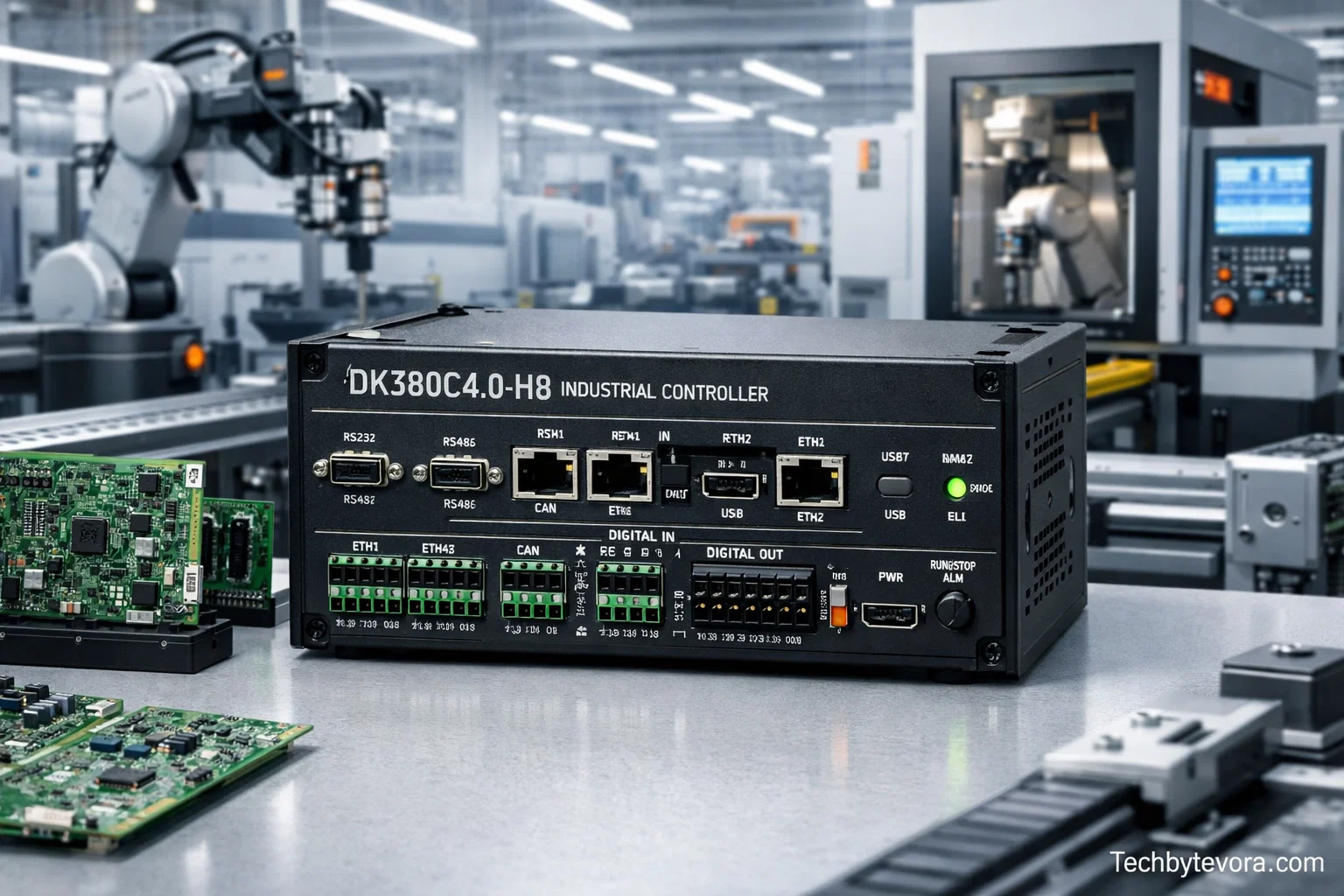
Introduction: Understanding the dk380c4.0-h8
The dk380c4.0-h8 is an advanced industrial controller that has become increasingly relevant in the field of modern automation. Unlike typical consumer-grade devices, this controller is designed to manage complex industrial processes, coordinating multiple inputs and outputs in real-time. Its reputation in automation circles stems from its robust performance, precision control, and broad connectivity options, all of which make it suitable for high-speed production, robotics, and manufacturing processes. Engineers and plant managers often rely on this controller to ensure operational efficiency and reduce system downtime, emphasizing its significance in Industry 4.0 and smart manufacturing ecosystems.
At its core, the dk380c4.0-h8 serves as the central processing unit of automation systems, orchestrating multiple devices and sensors simultaneously. It is capable of handling complex algorithms for motor control, process monitoring, and safety management. By integrating legacy systems and modern devices, it bridges the technological gap between traditional machinery and intelligent automation. Its modular architecture allows it to adapt to varying industrial setups, making it an ideal solution for factories seeking both flexibility and reliability in their production lines.
The importance of such controllers extends beyond just operational efficiency. They provide real-time monitoring, predictive maintenance capabilities, and compatibility with networked systems, which collectively enhance decision-making and process optimization. Organizations adopting dk380c4.0-h8 controllers can expect improved output quality, lower energy consumption, and reduced operational risks, positioning the device as a key enabler of modern industrial productivity.
Core Architecture and Specifications
The dk380c4.0-h8 is built around a 32-bit H8 microcontroller, offering a processing speed of approximately 80 MHz. This combination of hardware and processing power allows the controller to execute multiple tasks with minimal latency, making it suitable for applications requiring sub-millisecond responses. The architecture includes several megabytes of flash memory for program storage, kilobytes of SRAM for active operations, and EEPROM to retain configuration data. This memory hierarchy ensures high-speed performance and reliable execution of industrial automation tasks even under intensive operational conditions.
Connectivity is one of the defining features of the dk380c4.0-h8. It supports multiple communication protocols, including Ethernet, RS‑232/485 serial interfaces, CAN bus, Modbus TCP, ProfiNET, and EtherCAT. These options enable seamless integration with both legacy systems and modern industrial devices, from robotic arms to sensors and actuators. The inclusion of multiple ports allows concurrent communication with numerous devices, enhancing system coordination and reducing delays in complex manufacturing processes.
The controller’s I/O capabilities are equally notable. With support for digital and analog inputs, relay outputs, and PWM control for motors, the dk380c4.0-h8 can manage a wide variety of machinery types. Its robust design is intended to withstand harsh industrial environments, including temperature extremes, electrical noise, and mechanical vibrations. These specifications collectively highlight why this controller is favored in high-performance and high-reliability industrial setups.
How dk380c4.0-h8 Functions in Automation
The operational role of the dk380c4.0-h8 is to act as the central coordinator for complex automation processes. It continuously receives data from connected sensors, processes it using programmed algorithms, and sends real-time commands to machinery to maintain optimal operation. For example, if a conveyor system experiences an overload or a temperature-sensitive process exceeds its threshold, the controller can instantly adjust motor speeds, valves, or alarms to prevent errors or damage. This ensures smooth operation and high-quality output across industrial processes.
In high-speed production lines, such as automotive or electronics assembly, the dk380c4.0-h8 excels in synchronizing multiple axes of motion simultaneously. Robotic systems, servo motors, and automated inspection cameras are coordinated in real-time, reducing defects and maintaining consistent throughput. By applying feedback from sensors and machine vision systems, the controller dynamically adjusts operations, improving precision and reliability without human intervention.
Communication protocols play a crucial role in the dk380c4.0-h8 integration into larger automation ecosystems. Its support for modern protocols allows it to connect to SCADA systems, HMIs, cloud-based analytics platforms, and other networked devices. This interconnectivity provides real-time monitoring, historical data logging, and predictive insights that optimize both operational performance and maintenance schedules. The result is a highly responsive, intelligent system capable of adapting to changing industrial conditions.
Key Features and Advantages
The dk380c4.0-h8 offers a combination of performance, flexibility, and durability that distinguishes it from older or simpler controllers. Its compact and modular design allows it to be installed in control cabinets with minimal space while maintaining easy access for maintenance or future upgrades. Its rugged casing protects against dust, moisture, and vibration, ensuring consistent performance in demanding environments.
Energy efficiency is another notable advantage. The device operates with minimal power consumption, which is essential for industries aiming to reduce operational costs and environmental impact. Additionally, its thermal management system maintains optimal internal temperatures, preventing overheating during continuous operation. These features contribute to long-term reliability and reduced downtime, which are critical factors in industrial operations.
Connectivity and I/O versatility further enhance the dk380c4.0-h8 appeal. It can manage up to 64 concurrent processes, connect to diverse industrial networks, and communicate with both legacy and modern devices. These capabilities make it suitable for a wide array of industrial applications, from robotics and automated assembly lines to environmental control and packaging systems. The controller’s flexibility allows organizations to deploy it across multiple facilities with different operational needs.
Industrial Applications of dk380c4.0-h8
The dk380c4.0-h8 is widely used in manufacturing environments where precision and reliability are paramount. In automotive assembly, it coordinates robotic welders, conveyors, and inspection systems to ensure timely and accurate production. In electronics manufacturing, it synchronizes pick-and-place machines, reflow ovens, and quality inspection cameras, ensuring high yield and minimal defects. Its ability to handle real-time feedback and control multiple devices simultaneously makes it indispensable in these industries.
In food processing and pharmaceuticals, the controller regulates critical parameters such as temperature, pressure, and humidity. This ensures that production processes meet strict quality and safety standards. By managing multiple sensors and actuators, the dk380c4.0-h8 maintains optimal environmental conditions, reducing product waste and ensuring compliance with regulatory requirements.
The DK380C4.0‑H8 also finds use in packaging automation, where it coordinates labeling machines, conveyors, and robotic packers. Its precise control over timing and motion allows for efficient throughput while maintaining product integrity. Across all these applications, the controller’s real-time processing, reliability, and connectivity are essential for modern industrial operations.
Installation and Maintenance Guidelines
Proper installation of the dk380c4.0-h8 is critical for optimal performance. The device should be mounted with adequate ventilation and clearance for cabling, ensuring it remains accessible for maintenance. Electrical connections must be carefully configured, including proper grounding and shielding to prevent interference from other industrial equipment.
Integration with existing systems requires careful planning. Addressing communication protocols, I/O mapping, and network configuration ensures seamless interaction with other devices and software systems. Testing during commissioning, including verifying response times and accuracy of inputs and outputs, is essential to confirm reliable operation under full load conditions.
Maintenance of the controller focuses on firmware updates, regular diagnostics, and monitoring performance trends. Many organizations leverage remote monitoring tools to track operational metrics and deploy updates without disrupting production. This proactive approach to maintenance maximizes uptime and extends the life of the controller, reducing the total cost of ownership.
Future Trends and Innovations
The role of controllers like the dk380c4.0-h8 is evolving with advancements in industrial automation. Integration with edge computing, artificial intelligence, and industrial IoT platforms allows controllers to not only manage machines but also analyze data, predict maintenance needs, and optimize energy consumption. This transition from simple control to intelligent process management reflects the ongoing Industry 4.0 revolution.
Future developments may focus on enhanced connectivity, increased processing power, and more sophisticated algorithms for predictive and autonomous control. Controllers will likely become central hubs in smart factories, linking production systems, analytics platforms, and management dashboards. The DK380C4.0‑H8 exemplifies the trend towards versatile, high-performance devices that support both current industrial needs and emerging automation technologies.
Read More : How are dk380c4.0-h8
Choosing the Right Controller
Selecting a controller involves assessing operational requirements, environmental conditions, and system compatibility. The dk380c4.0-h8 is ideal for industries requiring high-speed processing, real-time monitoring, and broad connectivity. Its modular design allows scalability and adaptation to evolving automation needs, making it a long-term investment for organizations seeking efficiency and reliability.
Consulting datasheets and manufacturer documentation ensures the controller meets specific operational demands. Collaboration with system engineers can help determine the optimal configuration, network integration, and I/O mapping. This careful approach ensures that the selected controller not only fits technical requirements but also delivers the anticipated operational benefits and performance improvements.
Conclusion
The dk380c4.0-h8 is a versatile and powerful industrial automation controller that plays a critical role in modern manufacturing and process industries. Its high-performance microcontroller, broad connectivity, and robust design make it suitable for high-speed production, robotics, packaging, and process control applications. By providing precise, real-time control and compatibility with multiple protocols, it enhances efficiency, reduces downtime, and enables predictive maintenance.
As industrial systems continue to evolve towards smarter, more connected environments, the DK380C4.0‑H8 demonstrates the potential of modern controllers to not only manage machines but also support intelligent data-driven decision-making. Its combination of reliability, scalability, and advanced features ensures it remains a valuable asset for organizations embracing automation and Industry 4.0 strategies.